
This article is part of ENCOM Pakistan’s practical engineering series, adapted from Bosch’s Planning Guide for Steam Boiler Systems. We now move from planning into Failure Prevention, beginning with two operational risks that can quietly damage a boiler house: poor water quality and pump cavitation. If you missed the previous article, The Hidden Inefficiency: Why Your Best Boiler is Only as Good as Your Piping, read it to see how installation decisions shape long-term system performance.
Water Quality and Cavitation: The Silent Killers of Your Boiler House
Most boiler problems do not announce themselves with a sudden, dramatic breakdown. Over our 20+ years of engineering experience across Pakistan’s industrial landscape, we have seen that catastrophic failures almost always begin quietly.
A seasonal shift alters source water chemistry. A water softener runs continuously but slowly falls behind rising plant demand. Meanwhile, a feed pump emits a faint rattling sound at cold startup that operators dismiss as regular machinery hum. Left unchecked, these small, tolerated anomalies quietly snowball into severe limescale deposition, cracked tube plates, blown pump impellers, and unscheduled shutdowns.
The Planning Questions Every Plant Must Revisit
In Failure Prevention, the Bosch Planning Guide takes us directly back to core engineering principles. Long before metal overheats or a pump casing fractures, the guide urges engineering teams to evaluate five foundational questions:
- Is an accurate, up-to-date raw water analysis available?
- Have you accounted for seasonal fluctuations in water chemistry?
- Does your selected treatment method genuinely match actual operating demand?
- Can returning condensate carry harmful contaminants into the boiler?
- Have you installed reliable, continuous monitoring instrumentation?
In our local operating environment, underground aquifers and surface supplies never stay static. Mineral hardness shifts, total dissolved solids fluctuate, and contamination risks rise between dry seasons and monsoons. Running a boiler room on the assumption that incoming water stays uniform is where operational risk begins.
Water Quality Is a Boiler Life Issue, Not Just Chemistry
Poor water quality does far more than create minor thermal inefficiencies. It directly dictates the physical life of the boiler vessel itself.
Bosch illustrates this operating reality clearly in its service life breakdown:
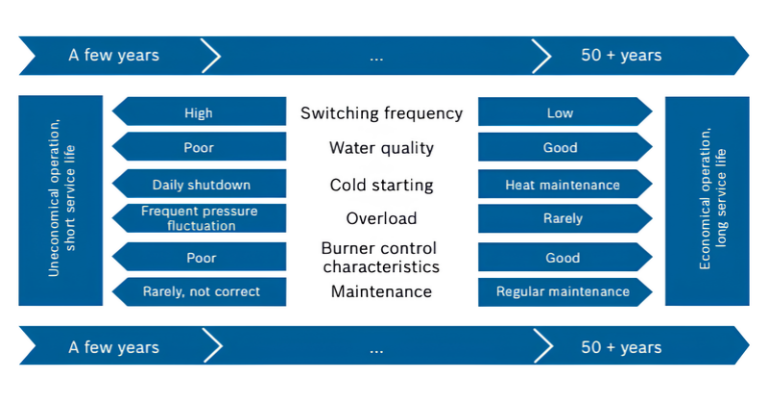
Bosch shows water quality as one of the key drivers of boiler life, alongside switching frequency, maintenance, and operating discipline.
According to Bosch, feed water with a hardness of 10° dH can transport up to 70 grams of limescale per cubic meter of water. As scale forms on the water-side heating surfaces, it forms an insulating thermal barrier. Because heat cannot transfer into the water side effectively, metal temperatures surge dangerously across the flame tube and tube plate.
Chemical dosing alone cannot bail out an overloaded treatment plant. If upstream softeners struggle or monitoring lapses, adding chemicals only masks the root cause while internal metal surfaces continue to overheat.
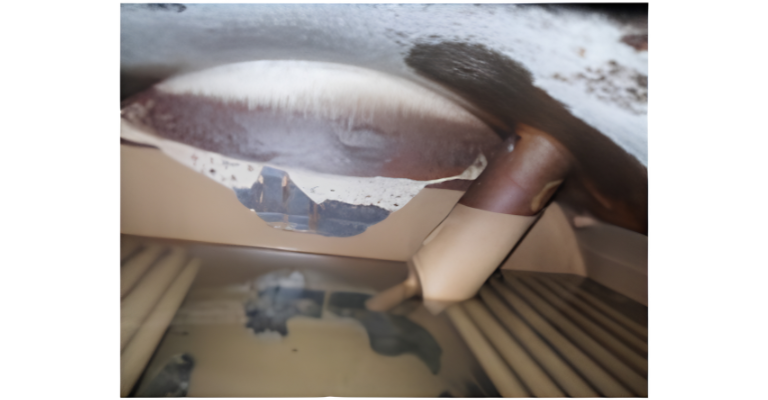
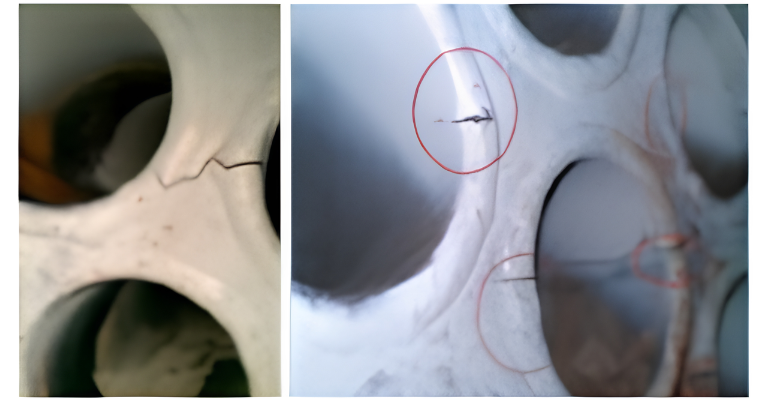
Left: Water-side limescale deposits reducing heat transfer and creating severe overheating risk.
Right: The mechanical consequence; thermal fatigue cracking in the tube plate ribs of the reversing chamber.
Condensate Return: High Energy Value, High Operating Risk
Returning hot condensate recovers valuable thermal energy and cuts fuel spend. However, unmonitored condensate returns can introduce severe contamination into your pressure vessel.
If a process heat exchanger develops an undetected pinhole leak, lubricants or process chemicals enter the return line. Once inside the boiler drum, grease forms a tenacious insulating film over heating surfaces and coats the low-water electrode probes. When probes fail to read real water levels due to grease fouling, dangerous low-water dry firing and severe shell deformation occur.
Cavitation: The Acoustic Warning Signs You Cannot Ignore
While water scale damages boilers slowly, cavitation destroys feed pumps with sudden, violent force.
Cavitation occurs when local pressure at the pump impeller eye drops below the vapor pressure of hot feed water. Microscopic vapor bubbles form instantly and collapse violently against metal surfaces. Bosch describes early cavitation as sounding like steady rain on a metal roof, while full cavitation sounds like heavy hail pounding the pump casing.
This often occurs during plant startup when boiler back-pressure is minimal. Without proper throttling, the pump surges past design flow. When pumping hot water under these conditions, destructive cavitation begins within minutes. Similarly, an incorrectly installed non-return valve in a bypass line can starve minimum flow back to the feed vessel. Replacing a chewed-up impeller without fixing the hydraulic cause guarantees repeated failure.
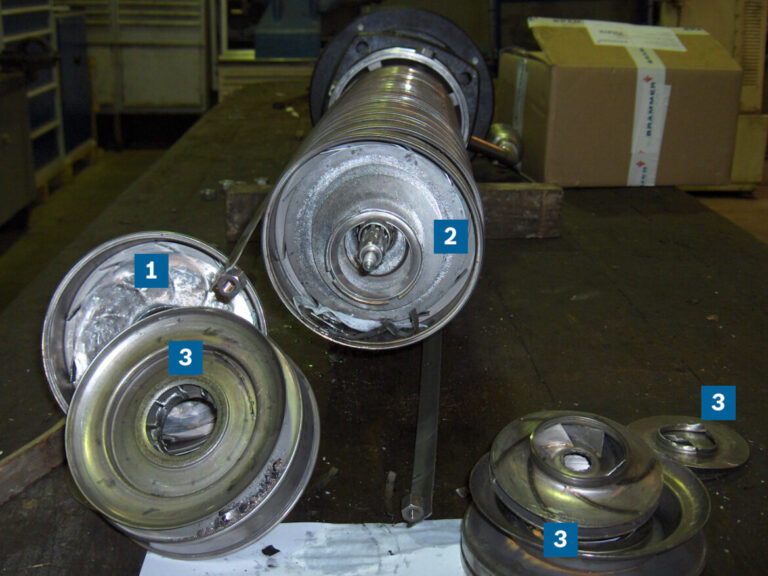
Severe multi-stage pump damage from cavitation, showing (1) impeller denting, (2) blown-off blades, and (3) destruction of internal pump stages.
Shifting from Component Fixes to System Reliability
Protecting an industrial steam plant requires looking beyond individual machines and focusing on how the entire system interacts. Sustainable reliability demands regular water analysis, verified pump throttling, clean condensate returns, and disciplined log keeping.
At ENCOM Pakistan, our two decades of engineering work center on this whole-system discipline. Backed by German OEM partnerships and certified technical teams, we help industrial facilities diagnose root causes before equipment fails. Whether you require an exhaustive boiler-house audit, a feed water quality review, or assistance balancing utility hydraulics, our team is ready to help you protect your assets, optimize fuel costs, and ensure dependable plant uptime.